
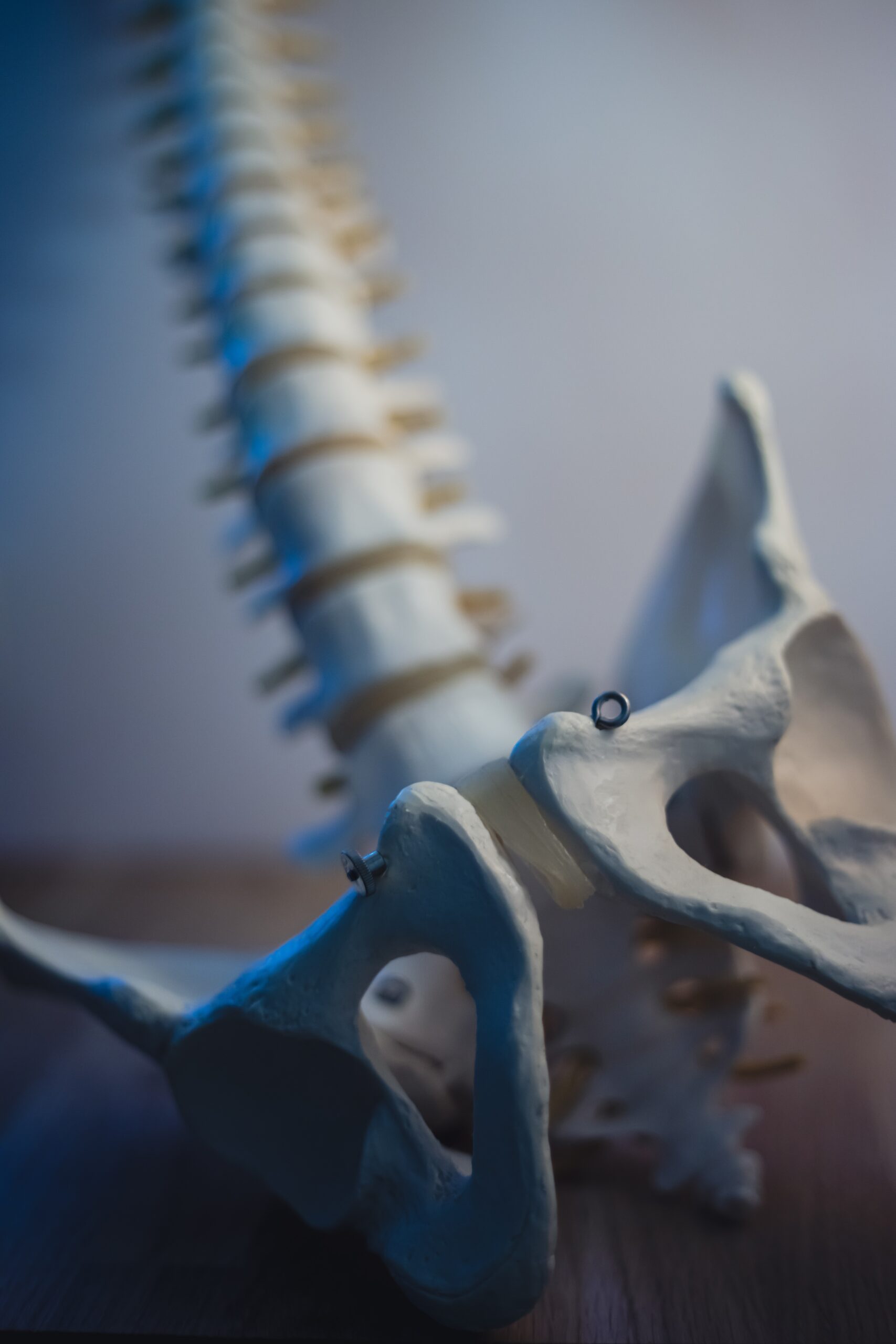
Lower back pain is a common ailment that affects millions of people worldwide. It can range from a dull ache to sharp, debilitating pain, and can significantly impact daily activities and quality of life. In this blog post, we’ll delve into the causes of lower back pain and explore effective treatment options to alleviate discomfort, restore mobility, and promote long-term back health.
Understanding the Causes of Lower Back Pain:
- Muscle/Tendon Strain and Ligament Sprains: The most common cause of lower back pain is muscle strain or sprain, usually resulting from lifting heavy objects, sudden movements, or poor posture.
- Herniated Discs: When the soft discs between the vertebrae in your spine rupture or bulge, they can press on nerves, leading to lower back pain and even radiating pain down the legs.
- Arthritis: Conditions like osteoarthritis and rheumatoid arthritis can cause inflammation and stiffness in the joints of the lower back, resulting in chronic pain.
- Poor Posture and Sedentary Lifestyle: Prolonged sitting, improper posture, and a lack of physical activity can weaken the muscles that support the lower back, leading to pain and discomfort.
Treating Lower Back Pain:
- Biokinetics: Working with a Biokineticist can help alleviate lower back pain by focusing on exercises that strengthen the core muscles, improve flexibility, and correct posture.
- Exercise and Stretching: Engaging in low-impact exercises, such as swimming or walking, and incorporating stretching routines can help strengthen the back muscles, improve flexibility, and alleviate pain.
- Ergonomic Modifications: Making adjustments to your workspace, such as using an ergonomic chair or standing desk, can help maintain proper posture and reduce strain on the lower back.
- Massage and Manual Therapy: Seeking the assistance of a qualified massage therapist or chiropractor can provide relief by targeting specific areas of tension and helping to realign the spine.
- Heat and Cold Therapy: Applying a heating pad or taking a warm bath can help relax tense muscles and reduce pain. Alternatively, using ice packs or cold compresses can help numb the area and reduce inflammation.
- Pain Medication: Over-the-counter pain relievers, such as nonsteroidal anti-inflammatory drugs (NSAIDs), can help manage mild to moderate lower back pain. However, it’s essential to consult a healthcare professional before taking any medication.
Prevention and Long-Term Back Health:
- Practice Good Posture: Maintaining proper posture while sitting, standing, and lifting can significantly reduce the risk of developing lower back pain.
- Regular Exercise: Engaging in a consistent exercise regimen that focuses on strengthening the core and supporting muscles can help prevent lower back pain.
- Weight Management: Maintaining a healthy weight reduces the stress placed on the lower back and minimizes the risk of developing chronic pain.
- Ergonomic Support: Ensure that your mattress, pillows, and seating provide adequate support to your lower back.
- Stress Management: Chronic stress can contribute to muscle tension and exacerbate lower back pain. Adopting stress-reducing techniques such as meditation, deep breathing exercises, or yoga can be beneficial.
Lower back pain is a prevalent condition, but it doesn’t have to control your life. By understanding the causes and implementing appropriate treatment strategies, you can find relief, restore mobility, and improve your overall back health. Remember to consult with a healthcare professional for a comprehensive evaluation and personalized treatment plan. With the right approach, you can take charge of your lower back pain and regain a pain-free and active lifestyle.